
The way Gen Z learns is changing rapidly. While previous generations largely depended on teachers, parents and seniors for guidance, today's students are increasingly turning to mentors through online communities, networking platforms and professional ecosystems. This shift reflects a move from passive learning towards a more personalised, self-directed approach, where students actively seek advice tailored to their aspirations.
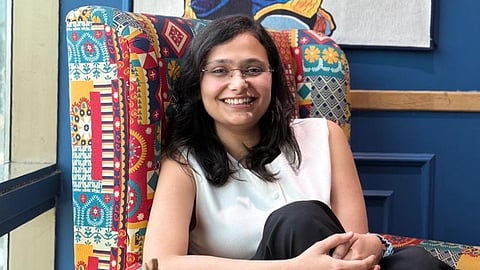
According to Jeel Gandhi, CEO of Under25, students today have far greater ownership of their learning journeys. "Learning has shifted from being something you receive to something you go and get. Earlier, knowledge largely lived with a few authority figures, but today, a student can find someone already doing what they aspire to do, anywhere in the world, and learn directly from them. Learning has become pull, not push. It is on-demand, specific, and self-directed," she said. Rather than rejecting traditional guidance, Gen Z is simply unwilling to limit itself to what is available within its immediate environment.
This evolution has also exposed the limitations of formal education. While institutions continue to provide academic foundations, mentorship is helping students understand how to apply that knowledge in real-world settings. Jeel notes, "Formal education teaches you what to know. Mentorship often teaches you what to do with that knowledge, college builds foundations, but mentorship adds the real-world context, the unwritten rules of an industry, and the perspective of someone who has already walked the path." Together, she believes, education and mentorship equip students with both knowledge and the confidence to make informed career decisions.
The rise of online mentorship has also prompted students to become more discerning about credibility. "This generation has become remarkably good at separating credibility from visibility. Genuine mentors talk about the process, the trade-offs, and even their failures, not just the outcome. Trust is built through lived experience and word of mouth, not follower counts," Jeel added. Students increasingly value authenticity, peer recommendations and practical insights over polished success stories or social media popularity.
Mentorship is also broadening students' perspectives beyond conventional career paths. According to Jeel, "Mentors do more than expand exposure. They expand what students believe is possible for themselves. The purpose of mentorship is not to create dependence, but to build the judgement and confidence to navigate without it." Instead of offering ready-made answers, effective mentors encourage critical thinking, help students weigh trade-offs and develop the confidence to make independent decisions.
As colleges start to recognise the value of structured mentorship programmes, such initiatives have the potential to democratise access to professional networks and industry guidance. For Gen Z, mentorship-led learning is no longer an alternative to formal education—it is becoming an essential complement, helping bridge the gap between classroom knowledge and the realities of an evolving world of work.

