
Column by Prabhu Chawla for The New Indian Express
The year ended with a roar on the silver screen and its echo defined everything that followed. The success of Dhurandhar was not only cinematic but civilisational. It did not simply break records. It set the emotional tone of a nation. When audiences rose to their feet as credits rolled on December 5, they were not merely celebrating a film’s craft. They were acknowledging a sentiment that had long been searching for voice.
By its 21st day in theatres, Dhurandhar was reported to have crossed the Rs 1,000-crore milestone worldwide, becoming the highest-grossing Indian film of the year and the fifth-largest success of all time. In its triumph lay the signal that the nationalist mood of India had moved from politics to popular imagination, that cinema audiences had begun dictating the nation’s emotional narrative rather than following it. The country’s biggest industry—long accused of speaking in borrowed accents and cosmopolitan codes—had suddenly begun to reflect the nationalistic mood.
What made this moment even more significant was the ecosystem it revealed. Throughout 2025, Hindi cinema experienced what industry analysts called a “steady flow of steady performers”, rather than dependence on blockbuster spectacles. In the first half of the year alone, 17 films crossed the coveted hundred-crore mark at the domestic box office, a dramatic increase from merely 10 such films in the corresponding period of 2024.
For decades, Hindi cinema had lived through the boom-bust cycle where two or three massive releases carried the annual load. In 2025, the pattern inverted. The industry witnessed momentum driven not by ‘event cinema’, but by films that connected with audiences through authenticity, emotional honesty and a willingness to address what people actually felt rather than what critics prescribed they should feel.The moment was ripe for such a shift. Since 2019, India’s political and cultural language has undergone steady transformation. The old markers of elite progressivism, urban irony, global aspiration and moral neutrality began to fade as authentic expressions of national sentiment reasserted themselves. In their place rose a direct and confident nationalism that sought its reflection in culture. Dhurandhar arrived precisely when that mirror was missing.
The earlier success of films such as Uri: The Surgical Strike, The Kashmir Files, and The Kerala Story had hinted at the change; but Dhurandhar institutionalised it. It became not just a film but a launchpad for a new emotional mainstream. Its impact was so pronounced that it seemed to give permission to an entire industry that had been afraid to speak its own language. A new generation of filmmakers and writers from smaller cities or digital platforms entered the mainstream empowered by the realisation that authenticity could sell and that audiences were hungry for stories that did not ask them to feel ashamed of their own identity. The monopoly of inherited surnames and old networks began to loosen.
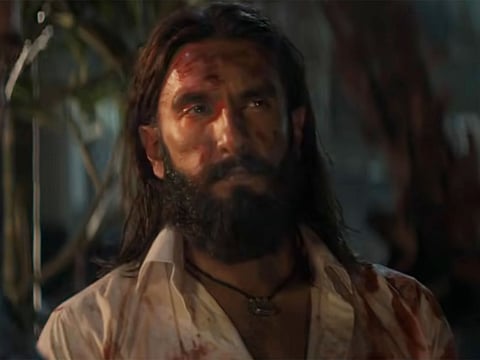
Yet, the success of Dhurandhar must not be mistaken for the triumph of aggression. Its achievement lay in articulation, not polemic. The director chose precision over bombast. Every emotional beat was earned rather than declared. The protagonist’s resilience was depicted not as dominance but as dedication to purpose. The lesson extended beyond cinema: the rising nationalism of 2025 found in Dhurandhar a model of confidence without contempt, of pride without prejudice. The film’s success while maintaining this balance suggested that audiences, too, were more sophisticated than the critics had assumed—capable of appreciating patriotic sentiment without requiring it to harden into hatred.
From its first week, Dhurandhar was more than a blockbuster. Its advertising, tone, dialogues and audience engagement embodied a spirit that was simultaneously defiant and celebratory. It proved that patriotic sentiment could transcend geographical and demographic boundaries. The film’s triumph occurred in a year already marked by significant shifts in storytelling. In February, Chhaava, Vicky Kaushal’s historical action-drama about Maratha warrior Sambhaji, had crossed `600 crore at the box office, signalling that Indian history and heroes were no longer marginal subjects but mainstream currency.
Dhurandhar itself justified that symbolism through cinematic craft. It opened with the precision of a military operation and advanced with the momentum of conviction. For an audience long accustomed to irony and moral hesitation, this clarity arrived like relief. People did not quietly consume Dhurandhar—they claimed it as emotional property.
The reasons for this response lay deeper than the screen. For years, Hindi cinema had lost touch with its wider audience precisely because its guardians had misread what that audience wanted. The major production houses and creative communities had circled themselves in cosmopolitan caution. Patriotism was often reduced to background decor or mocked as an outdated reflex. Storytelling had turned into symbolism designed for validation of Western lifestyles and culture rather than emotion at home. When Dhurandhar appeared, it violated that trend with unapologetic enthusiasm.
The moment was ripe for such a shift. Since 2019, India’s political and cultural language has undergone steady transformation. The old markers of elite progressivism, urban irony, global aspiration and moral neutrality began to fade as authentic expressions of national sentiment reasserted themselves. In their place rose a direct and confident nationalism that sought its reflection in culture. Dhurandhar arrived precisely when that mirror was missing.
The earlier success of films such as Uri: The Surgical Strike, The Kashmir Files, and The Kerala Story had hinted at the change; but Dhurandhar institutionalised it. It became not just a film but a launchpad for a new emotional mainstream. Its impact was so pronounced that it seemed to give permission to an entire industry that had been afraid to speak its own language. A new generation of filmmakers and writers from smaller cities or digital platforms entered the mainstream empowered by the realisation that authenticity could sell and that audiences were hungry for stories that did not ask them to feel ashamed of their own identity. The monopoly of inherited surnames and old networks began to loosen.
Yet, the success of Dhurandhar must not be mistaken for the triumph of aggression. Its achievement lay in articulation, not polemic. The director chose precision over bombast. Every emotional beat was earned rather than declared. The protagonist’s resilience was depicted not as dominance but as dedication to purpose. The lesson extended beyond cinema: the rising nationalism of 2025 found in Dhurandhar a model of confidence without contempt, of pride without prejudice. The film’s success while maintaining this balance suggested that audiences, too, were more sophisticated than the critics had assumed—capable of appreciating patriotic sentiment without requiring it to harden into hatred.
Still, this transformation carries its own challenge. The newfound assertiveness of Hindi cinema must avoid the trap of predictability or formulaic repetition. What will define the decade ahead is not how many nationalistic films are made, but how deeply they explore the human experience within them. Precision of craft should accompany clarity of message. The promise of Dhurandhar was not that every film must shout its identity, but that no film should be afraid of it. The industry must resist the temptation to turn a rediscovery of voice into a new orthodoxy.
By the final quarter of 2025, it was clear that the cultural axis had shifted fundamentally. The very critics who once dismissed such projects as populist or narrowly exclusive were conceding that a new narrative order had emerged. In hindsight, the year will be remembered not only for Dhurandhar’s record-breaking success but for how it redefined cinematic legitimacy. The old hierarchy of taste, the circle of directors, critics and producers who mediated what India should feel lost its influence. The local triumphed over the global not because it shut out the world, but because it spoke from the depth of belonging. Certainty replaced confusion as the artistic mood of the year.
Dhurandhar did more than dominate the box office. It became the cultural catalyst of India’s nationalist turn in 2025. Its echoes extended beyond cinema into politics, media and even daily conversation. It reminded the world’s largest democracy that its most powerful art form could align with its social heartbeat without surrendering craft or nuance. It transformed mood into movement and movement into mainstream—and, in the process, shifted the axis upon which Bollywood would turn for years to come.
As 2026 begins, the resonance of Dhurandhar will continue to shape creative imagination. Whether this wave of conviction will evolve into depth or dissolve into noise remains to be seen. But one thing is certain: year 2025 marked the moment when Bollywood stopped mimicking fake global voices and began listening to its own. Through Dhurandhar, Indian cinema rediscovered its right to believe. And in doing so, it helped a nation rediscover the courage to feel.
Read all columns by Prabhu Chawla
Prabhu Chawla
prabhuchawla@newindianexpress.com
Follow him on X @PrabhuChawla

