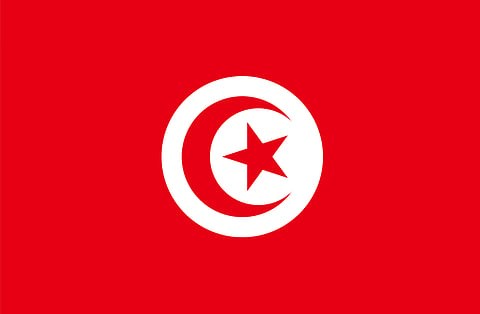

Tunisia has launched a new initiative to make environmental education more accessible for people with visual impairments, marking a step towards inclusive learning and greater participation in biodiversity conservation. The programme aims to ensure that visually impaired individuals can actively engage with environmental issues through accessible educational resources and experiences.
The initiative was unveiled by the National Agency for Environmental Protection (ANPE) in partnership with the National Union of the Blind, as part of Tunisia's broader efforts to promote environmental awareness while ensuring equal access to education. The programme focuses on making information about biodiversity, ecosystems and environmental conservation available in formats suited to people with visual impairments.
According to the organisers, the initiative includes adapted educational materials, tactile learning tools and interactive activities designed to help participants better understand nature and environmental protection. The objective is to remove barriers that often prevent visually impaired people from participating fully in environmental education programmes.
The programme also seeks to encourage greater participation of people with disabilities in environmental conservation efforts by promoting inclusive teaching practices and strengthening collaboration between environmental organisations and disability advocacy groups. Officials said the initiative reflects the principle that environmental education should be accessible to everyone, regardless of physical ability.
The move aligns with international efforts to make education more inclusive. Global organisations, including UNESCO and disability rights groups, have emphasised that climate and environmental education should be accessible to all learners through adapted teaching methods, accessible learning materials and assistive technologies.

