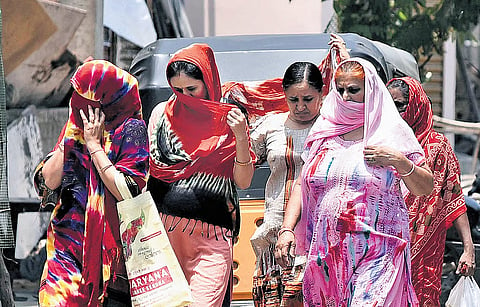

CHENNAI: Extreme heat is emerging as a grave public-health threat for women across India’s most heat-vulnerable states, according to a new study by the MS Swaminathan Research Foundation (MSSRF) in Chennai.
The research, conducted in Tamil Nadu, Andhra Pradesh, Karnataka, Kerala, Rajasthan, Maharashtra, and Uttar Pradesh, reveals that heat is no longer just an environmental concern but a crisis affecting women physically and mentally with rural and informal workers facing the harshest impacts. Across high Heat Vulnerability Index (HVI) districts, 70% of women surveyed reported severe physical symptoms during peak heat months, including fatigue, dizziness, dehydration and gastrointestinal discomfort.
The study found the effects to be sharply gendered, with women from poorer households, lower castes, rural backgrounds and informal livelihoods reporting significantly higher rates of reproductive-health issues, menstrual irregularities, urinary infections, mental distress, workplace harassment, domestic conflict, wage losses and barriers to healthcare.
Women in high heat vulnerability districts had an approximate 53% chance of experiencing menstrual disturbances, which is roughly 3.5 times higher than the approximate 15% chance observed among those in low vulnerability districts.
The report indicated a significant prevalence of mental distress symptoms during the summer months. The most commonly reported concerns include increased irritability or short temper (41%), heightened anxiety or stress levels (33%), and sleep disruption/insomnia or sleep pattern changes (32%). Additionally, 21% of respondents reported feelings of depression or sadness while a smaller proportion reported higher feelings of isolation or loneliness (7%), and 2% disclosed thoughts or behaviours related to self-harm, collectively highlighting the psychological burden of prolonged heat exposure.
Many reported reducing work hours in summers often without compensation leads to erosion of already fragile household incomes. Women working in open fields or exposed urban spaces described repeated infections, heavy bleeding or delayed menstrual cycles during heatwaves. Lack of toilets, shade, rest breaks or clean drinking water worsened these conditions.
The study also highlighted poor ventilation in cramped homes, combined with long hours of domestic labour, intensified mental-health pressures. The report urged governments to upgrade heat-resilient health infrastructure, including shaded and ventilated waiting areas, cooling facilities, access to drinking water and reliable power supply in clinics and primary health centres.
It also pushed for the gender-sensitive implementation of Heat Action Plans, along with workplace protections for women in informal sectors such as flexible timings, mandated rest breaks and safe shelters.
This story is reported by Binita Jaiswal of The New Indian Express.

