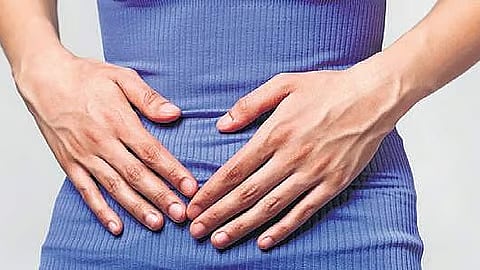

Women often experience period pain or dysmenorrhea leading to not just inconvenience but a discomfort that interrupts work, sleep, and daily activities. Some common symptoms during their menstrual cycle include, abdominal cramps, fatigue, headaches, and mood swings. Mostly they are managed with various self-treatment methods, including using heating pads, resting in a quiet place, and taking medication as prescribed by the doctor. These measures can act as temporary relief, but physiotherapy offers far superior long-term solutions to immediate relief methods.
Why is period pain more severe?
The reason for women experiencing severe pain during periods can often be attributed to higher levels of prostaglandins — the chemicals that trigger intense uterine contractions, reduce blood flow to the uterus, and increase pain sensitivity. Though intense, the normal pain isn’t caused by any underlying disease. In this case, pain is a sign of a functioning cycle, but it shouldn’t be debilitating. When the pain is getting worse over time and lasts a longer period, it is an indication of conditions like endometriosis or fibroids.
Beyond temporary relief
While addressing instantly could mask the pain and provide temporary relief to a certain extent, by following recommended physiotherapy activities, the underlying causes, like pelvic floor tension and poor circulation can be effectively eliminated to provide prolonged results. Moreover, by engaging in targeted exercises and self-reliance techniques, period pain can be effectively managed over time and reduce dependence on home care fixes or medication during each menstrual cycle.

Relaxing pelvis with gentle stretches
Easing the tension in the lower belly and pelvic floor muscles is possible through activities such as Child’s Pose or resting butterfly stretch. Such physiotherapy stretches reduce menstrual cramps, muscle tightness, progresses blood flow, and creates space for the uterus.
Ease uterine contraction with breathing techniques
Slow and deep belly breaths for five minutes during discomfort activate parasympathetic nervous system, thereby reducing stress and muscle spasms. Such breathing techniques lower prostaglandin sensitivity, ease uterine contractions, and provide immediate relief during intense cramps.
Pain relief with heat therapy
Using heat from compresses or pads along with proper body posture can be an effective remedy to improve blood flow in the pelvis area, relieve tension in the abdomen and back, and provide relief.
Ease pelvic back pains with self-massage
Pelvic discomfort can be gradually reduced by applying slight circular pressure on points below the navel and above the hipbones. Combining this activity with cat and cow poses, hip circles, and hip rolls while sitting can improve circulation.
By practising targeted physiotherapy procedures, women can manage their pain during their menstrual cycle and reclaim a life of empowerment with pain-free movement.
(The writer, Dr M Sandhya PT, is a consultant-physiotherapist, Motherhood Hospitals, Chennai)
